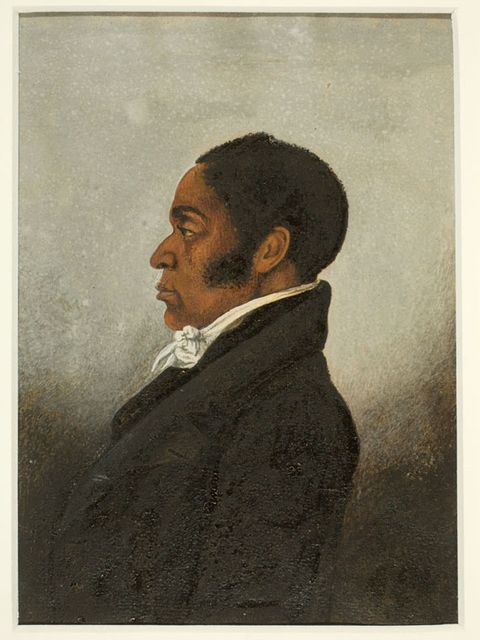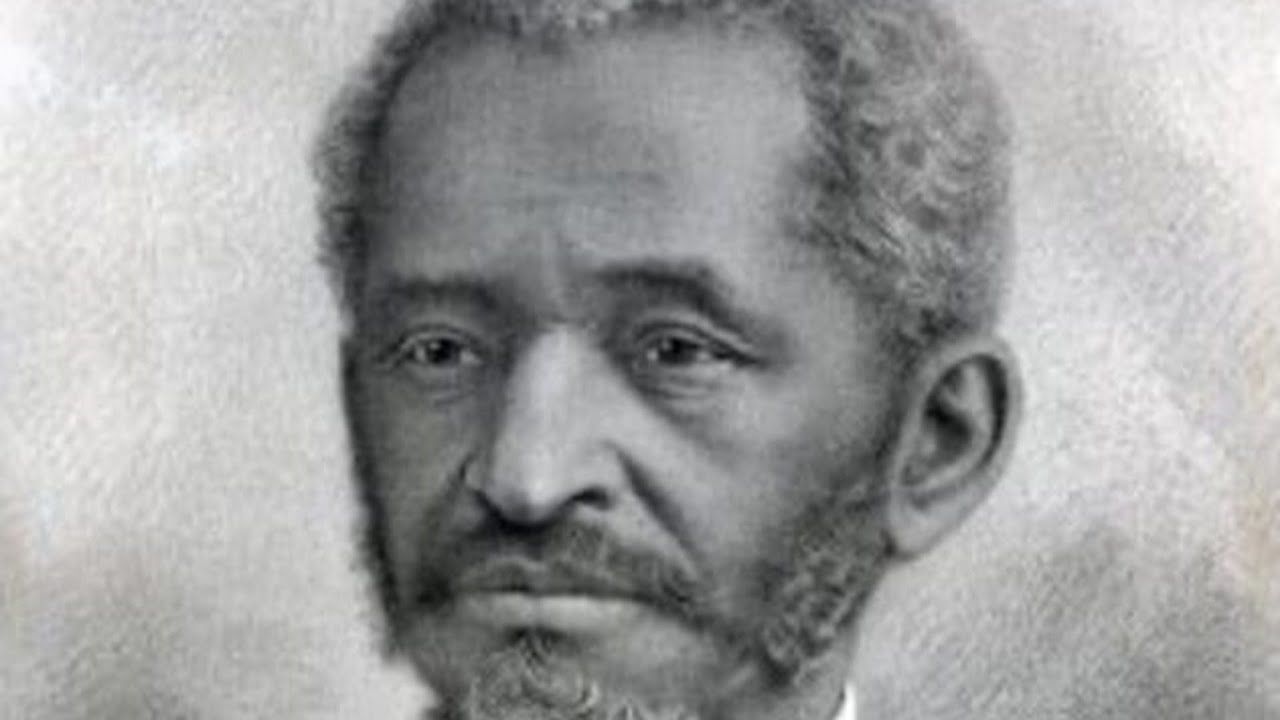
Anthony Johnson
Photo: Press / editorial use

Why This Person Is Included
Anthony Johnson is one of the first Black entrepreneurs in American history and one of the most morally complex. He built a successful farm using labor — including the labor of other Black people — in the early colonial period before the full architecture of American slavery was legally codified. His story is the curriculum's most difficult teaching problem: how to engage with an entrepreneurial achievement that exists at the origin of the system that would enslave his descendants.
The Story
Anthony Johnson arrived in Virginia around 1621 as an indentured servant.1 He and his wife Mary completed their indenture and established their own farm on the Eastern Shore of Virginia. By the 1650s, Johnson held approximately 250 acres of land and employed indentured workers — including other Black people.1
In 1655, he successfully argued in Virginia's colonial court that John Casor — a Black man who had claimed his freedom after completing his indenture — was in fact Johnson's servant for life.1 The court ruled in Johnson's favor — a ruling that historians note contributed to legal precedents for lifetime chattel slavery in Virginia.2
The Narrowing Window
Johnson built his farm during the period when the legal architecture of American racial slavery was actively being constructed. By the 1660s, Virginia had enacted laws restricting Black landownership and codifying racial slavery.2 Johnson moved to Maryland, where conditions were marginally less restrictive, and continued farming. He died around 1670. After his death, Virginia courts ruled that land his family held could revert to the state because Johnson was 'a Negro and by consequence an alien' — retroactively applying racial definitions that had been constructed partly through cases like the Casor lawsuit that Johnson himself had won.2
The platform includes Anthony Johnson because his story is the origin of Black entrepreneurship in America — with all of its complexity intact. He built. He navigated the system. He used the system against another Black person. The system eventually destroyed what he built. The curriculum presents all four facts.
Constraints & Tradeoffs
Johnson operated in colonial Virginia during the period when the legal architecture of American racial slavery was being constructed. He built his farm before the full codification of race-based chattel slavery — in the early colonial period, the line between indentured servitude and lifetime bondage was contested and evolving, and Black people who had completed indentures could and did hold land, employ workers, and participate in the legal system. The constraint Johnson faced was the instability of that status: every decade brought new laws that narrowed the legal rights of Black people in Virginia, regardless of their economic success or civic standing.
The 1654 Casor court case — in which Johnson successfully argued that John Casor was his servant for life rather than a freed indentured servant — placed Johnson in the position of using the emerging legal infrastructure of racial slavery to maintain his own labor advantage. The constraint and the ethical problem are the same: he navigated a system that was in the process of enslaving his descendants by using that system against another Black person.
What Actually Happened
The Laws Changed; The Land Was Lost
By the 1660s, Virginia had enacted laws restricting Black landownership and codifying racial slavery. Johnson moved to Maryland, where conditions were marginally less restrictive, and continued farming. He died around 1670. After his death, Virginia courts ruled that land his family held could revert to the state because Johnson was 'a Negro and by consequence an alien' — a ruling that retroactively applied the racial definitions that had been constructed partly through cases like the Casor lawsuit that Johnson himself had won.
The Anthony Johnson story is the platform's most deliberately uncomfortable inclusion. He was an entrepreneur by any measurable definition — he built a farm, employed labor, used the legal system, and accumulated assets. He was also complicit in the early development of the legal infrastructure that enslaved Black people for the next two centuries. The curriculum presents both facts. The discomfort is the curriculum.
Pattern Extraction
Johnson's pattern is the adaptation under narrowing constraints: he accumulated assets during the period when the legal system permitted it, relocated when Virginia's laws became more restrictive, and continued operating under less favorable conditions. The pattern of adapting entrepreneurial activity to legal constraints that are actively narrowing around you is the most durable, most universal, and most uncomfortable business lesson his story offers.
Frequently Asked Questions
- What was Anthony Johnson's highest level of education? ▾
- Anthony Johnson lived in seventeenth-century colonial Virginia, before formal educational institutions existed in North America. No record of a degree or formal schooling applies to his historical context. He was documented as literate in legal proceedings — he participated in Northampton County court cases including the 1655 Casor lawsuit — but no formal credential is part of his historical record.
- What is Anthony Johnson's net worth? ▾
- No independently verified net worth figure is applicable to Anthony Johnson. He died around 1670. His documented assets at the time of his Maryland move in 1665 included 14 cattle, 1 mare, 18 sheep, and a 300-acre leasehold ("Tonies Vinyard") in Somerset County, Maryland. His Virginia estate — 250 acres — had been sold before the move. No modern financial valuation exists.
- What was the John Casor case, and why does it matter? ▾
- In 1655, Anthony Johnson argued before the Northampton County, Virginia court that John Casor — who had worked for Johnson and claimed he was an indentured servant entitled to freedom — was instead Johnson's servant for life. The court ruled in Johnson's favor. Historians, including T.H. Breen and Stephen Innes ("Myne Owne Ground," Oxford University Press, 1980), document this ruling as one of the earliest legal precedents for lifetime racial enslavement in Virginia, predating the colony's 1662 hereditary slavery statute.
- How did Anthony Johnson acquire land in colonial Virginia? ▾
- Johnson acquired land through the headright system — the colonial Virginia mechanism by which landowners received acreage for each servant or laborer they brought to the colony. In 1651, he patented 250 acres in Northampton County. His son John patented an additional 550 acres in 1652; his son Richard patented 100 acres in 1654. The family's combined Virginia holdings totaled approximately 900 acres. All four patents are documented in Paul Heinegg's Free Black Families of Colonial Delmarva (Record #53).
- What happened to Anthony Johnson's land after his death? ▾
- Johnson sold his 250-acre Virginia tract before moving to Maryland in 1665, giving 50 acres to his son Richard who chose to stay. After Johnson died (before August 1670), a Virginia court ruled in 1670 that Richard's 50 acres could revert to the state — ruling that Johnson 'was a Negroe and by consequence an alien.' The land Johnson had already sold before departure was not subject to the ruling. In Maryland, his grandson John Jr. patented 44 acres in 1677, naming the tract 'Angola.' Sources: Heinegg Record #53; Virginia Genealogist 2:20, 109-113.