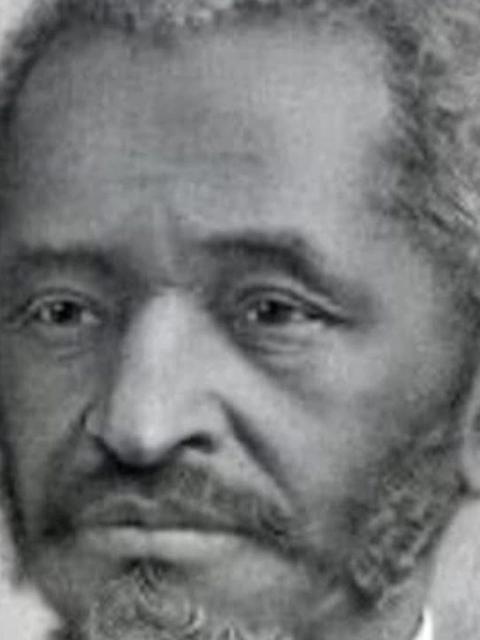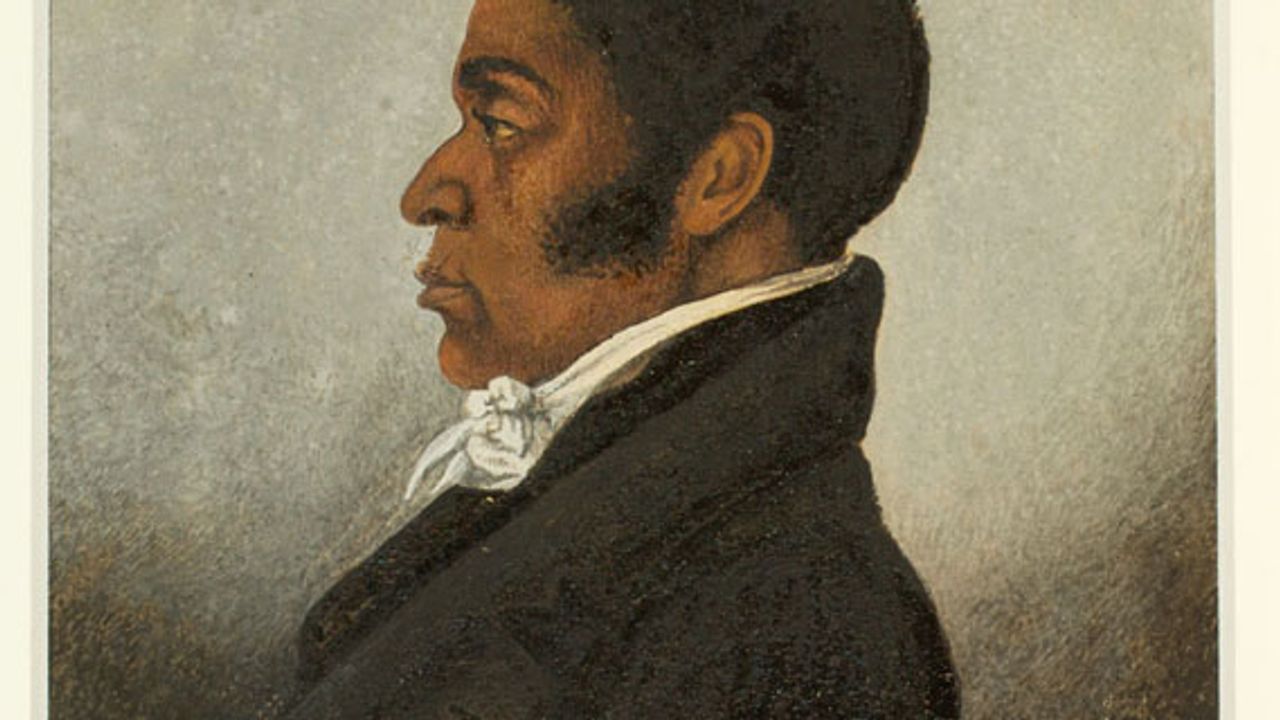
James Forten

Why This Person Is Included
James Forten built a manufacturing company that employed 40 workers — Black and white — in early 19th century Philadelphia, made him one of the wealthiest men in the city, and funded William Lloyd Garrison's The Liberator and the abolitionist movement that preceded the Civil War. He is a footnote in the history of American manufacturing and an uncredited funder of the movement that ended slavery. Both omissions are the curriculum.
The Story
James Forten was born free in Philadelphia in 1766, the son of a free Black family.1 He served as a powder boy on the Royal Louis during the American Revolutionary War, was captured by the British, and refused the offer of transport to England and eventual freedom in exchange for abandoning the American cause.1 He was held on a British prison ship for seven months, survived, and returned to Philadelphia.
He apprenticed under Robert Bridges, a sail maker, and eventually purchased the business when Bridges retired.1 Forten expanded it into one of the largest sail-making operations in Philadelphia, employing approximately 40 workers — a racially integrated workforce of Black and white workers at a time when such integration was extremely rare.1 His business served the ships that made Philadelphia one of the most important ports in the early United States.
Fortune and Abolition
By 1832, Forten's net worth was estimated at $100,000 — placing him among the wealthiest men in Philadelphia regardless of race.1 He used that wealth to fund the abolitionist movement: he provided the initial financing for William Lloyd Garrison's The Liberator in 1831,2 co-founded the American Anti-Slavery Society, and organized the Free African Society — one of the first Black mutual aid organizations in the United States.1
Forten died in 1842 at 75. His daughter Charlotte Forten was a prominent abolitionist and educator; his granddaughter Charlotte Forten Grimké was a poet and Civil War-era diarist.1
Constraints & Tradeoffs
Forten built his sail-making business in early 19th century Philadelphia — a city with significant free Black population and significant racial tension. Even as a free Black man with a successful business, he faced legal and social constraints that white business owners did not: the threat of kidnapping and sale into slavery (kidnapping of free Black people was documented in Philadelphia), restrictions on Black civil and political participation, and the social constraints that determined which clients would hire a Black business owner and which would not.
His workforce — an integrated team of Black and white workers — was itself a constraint and a statement simultaneously. Paying competitive wages to white workers when social convention did not require him to do so was a business decision that maintained quality and stability at a cost premium. It was also a political statement about racial equality that placed him in opposition to the prevailing ideology of his time and his city.
What Actually Happened
Fortune Built; Abolition Funded
Forten's sail-making business made him one of the wealthiest men in Philadelphia by the 1830s regardless of race, with an estimated net worth of $100,000. He used that wealth systematically: financing The Liberator in 1831, founding the American Anti-Slavery Society, organizing the Free African Society, and funding other abolitionist causes. He died in 1842; his family remained active in the abolitionist movement for decades.
Forten's legacy is inseparable from the movement he funded. The Liberator, which he financed when no one else would, became the most important antislavery newspaper in American history. The moral and political framework that eventually produced the abolition of slavery was built on the journalism that Forten's manufacturing fortune made possible.
Pattern Extraction
Forten's pattern is the manufacturing-to-movement pipeline: build a profitable enterprise, accumulate the capital that profitable enterprise generates, and deploy that capital into the institutional infrastructure (newspapers, organizations, legal societies) that can accomplish what individual advocacy cannot. The business is the mechanism for accumulating the capital that funds the movement.