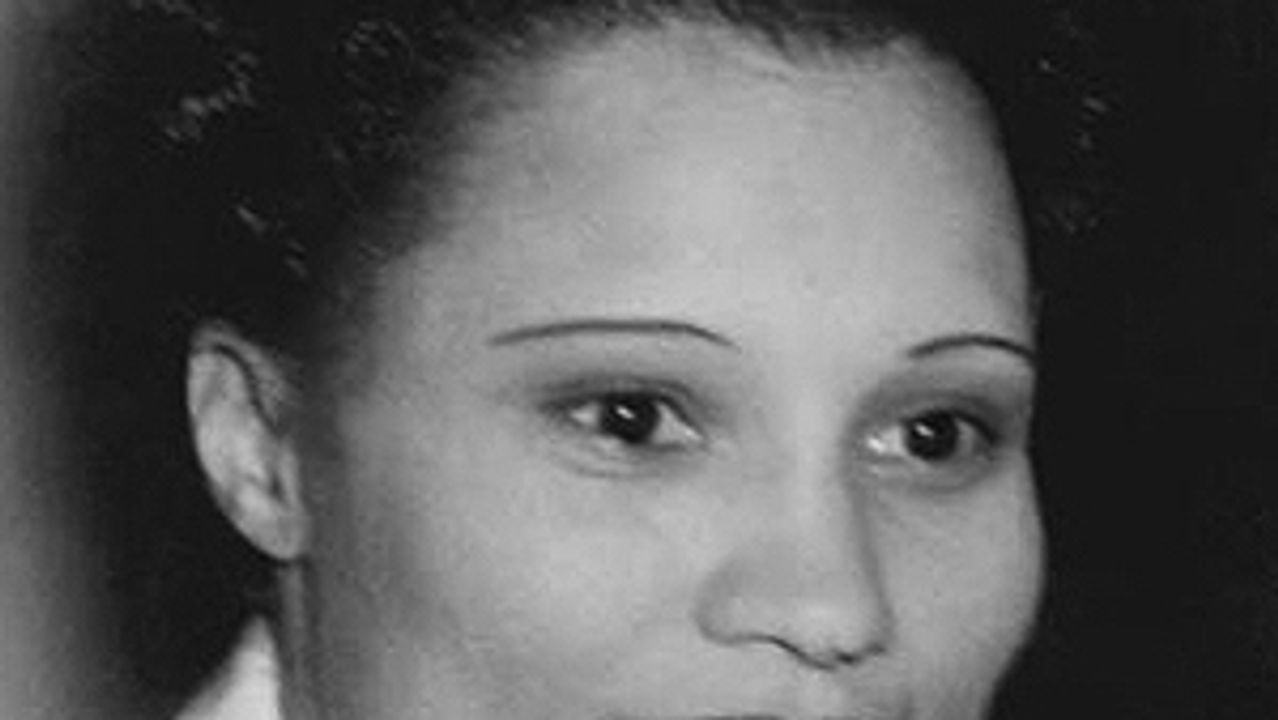
Lovie Yancey
Lovie Yancey, 1985 Wave newspaper interview, reproduced in the Los Angeles Times obituary, February 3, 2008
“I wanted to get across the idea of a big burger with everything on it.”

Why This Person Is Included
Lovie Yancey founded Fatburger in South Los Angeles in 1947, renamed it in 1952, and ran it for more than forty years before the brand changed hands. She built one of the most recognized fast food brands in Los Angeles out of a neighborhood that redlining had cut off from mainstream business capital. The brand survived her. Her name did not survive the brand.
The Story
Lovie Yancey was born in Bastrop, Texas, on January 3, 1912.1 She moved to Los Angeles and, in 1947, established a three-stool hamburger stand on Western Avenue in South Los Angeles's Exposition Park neighborhood — calling it Mr. Fatburger after a boyfriend.1 The concept was custom-ordered, made-to-order burgers. Everything made to the customer's specification.
In 1952, she shed her business partners and the 'Mr.' — renaming the restaurant simply Fatburger.1 She worked 16-hour shifts. Regular customers included Redd Foxx and Ray Charles.1 The restaurant became a Los Angeles institution, eventually expanding to multiple locations and attracting a loyal customer base across South and Central Los Angeles.
What She Built
Fatburger predated McDonald's first franchise location (1953) and Ray Kroc's involvement with McDonald's (1954). Yancey built a beloved regional brand whose loyal customer base and custom-order model were the antithesis of the standardization that would define the fast food industry. The brand changed ownership multiple times after her direct management, became part of FAT Brands, and now operates more than 100 locations worldwide.2
Yancey died on January 26, 2008, in Los Angeles at ninety-six.1
Constraints & Tradeoffs
Yancey built Fatburger in South Los Angeles — a neighborhood that redlining had systematically cut off from the bank financing, insurance underwriting, and commercial real estate development that made businesses viable in other parts of the city. She built without access to the capital infrastructure that supported comparable restaurants in white neighborhoods. The three-stool beginning was not a stylistic choice — it was the scale that available capital permitted.
A second constraint is temporal: Yancey operated before the fast food franchise model that McDonald's and others would build became dominant. She built a custom-order model when the industry was standardizing on assembly-line production. That model produced superior product quality and loyal customers, but it was less scalable than the standardized model. Fatburger's growth remained regional while nationally franchised competitors grew nationally — a structural difference in the business model, not a failure of the product.
What Actually Happened
Brand Survived; Name Did Not
Fatburger changed ownership multiple times after Yancey's direct management. It became part of FAT Brands, which has expanded it to more than 100 locations worldwide including international locations in the Middle East and Asia. The brand has survived and grown globally. Yancey died on January 26, 2008, at ninety-six.
The standard histories of American fast food — the ones that celebrate Ray Kroc, Dave Thomas, and Colonel Sanders — do not include Lovie Yancey. Her restaurant predated the McDonald's franchise system. She built it in a neighborhood that mainstream capital had abandoned, with the capital available to her, and it survived for sixty years under her direct management. The brand outlived her management. Her name did not outlive the brand.
Pattern Extraction
Yancey's pattern is the quality-first founding: build a product that generates loyal customers before building the operational systems that would allow scaling. The three-stool beginning was the quality demonstration; the brand that grew from it was the commercial result. The pattern's limitation — that quality-first does not scale as readily as standardization-first — is the constraint that kept Fatburger regional when its product might have supported national expansion.
Frequently Asked Questions
- What was Lovie Yancey's highest level of education? ▾
- No record of Lovie Yancey's formal educational credentials has been documented in publicly available sources. Her business was built through direct operational experience beginning in 1947.
- What was Lovie Yancey's net worth? ▾
- No independently verified net worth figure is publicly available for Lovie Yancey. The frequently cited sale figure for the 1990 transfer of Fatburger to Island Trading Co. has not been confirmed in primary sources.
- When did Lovie Yancey found Fatburger? ▾
- Yancey opened the original stand — a three-stool walk-up on Western Avenue in the Exposition Park neighborhood of South Los Angeles — in 1947 in partnership with Charles Simpson. She renamed it Fatburger in 1952 after buying out her business partners.
- When did Fatburger begin franchising? ▾
- Franchising began in 1980 under Yancey's direction. By 1985 the chain had grown to 32 units and was named the fifth fastest-growing burger franchise in the country by Entrepreneur magazine, behind McDonald's, Burger King, Wendy's, and Jack in the Box.
- Did Lovie Yancey make any notable charitable donations? ▾
- Yes. In 1986, four years before she sold the chain, Yancey donated $1.7 million to the City of Hope medical center. The donation fulfilled a promise she had made to her grandson, who died of the disease the center treats. It was funded from franchise royalties and operating profits accumulated since 1980.