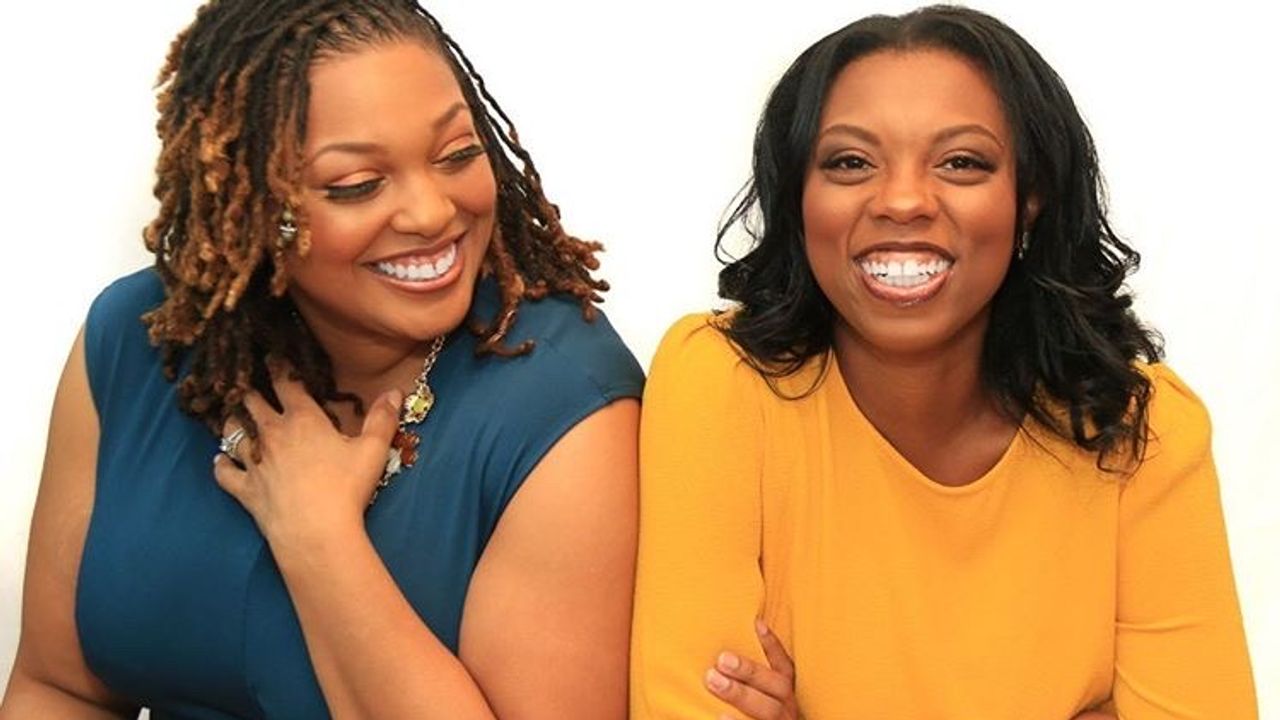
Davonne Reaves & Jessica Myers
Entrepreneurs and first Black women to co-own a Hilton property
Photo: Press / editorial use

Why This Person Is Included
Davonne Reaves and Jessica Myers made history in January 2021 by becoming the first Black women to co-own a Hilton property — a Hampton Inn in Greenville, South Carolina. The story was covered briefly in Black business press during a cycle of 'firsts' coverage. It was not covered as the business story it was: two women who identified a financing structure, secured institutional backing, and closed an acquisition during one of the worst environments for hotel investment in recorded history. The 'first' framing understates what they built.
Historical Significance
Reaves and Myers demonstrate that commercial real estate acquisition — historically one of the most capital-intensive and institutionally gatekept forms of Black wealth building — is accessible through the right financing structure and partnership model. Their story is the contemporary version of the Valerie Daniels-Carter franchise story: identifying a way in to an industry built to keep you out.
The Story
In January 2021, Davonne Reaves and Jessica Myers closed their acquisition of a Hampton Inn in Greenville, South Carolina, becoming the first Black women to co-own a Hilton property in the United States. The timing was significant: they closed during a pandemic that had reduced hotel occupancy rates to historic lows and made acquisition financing more difficult to structure. They structured it anyway.
Davonne Reaves had a background in hospitality and hotel operations, working for years in hotel management before identifying ownership as the next step. Jessica Myers brought experience in finance and deal structuring. Together they built a partnership that could navigate both sides of the acquisition: the operational due diligence and the financing architecture. The deal required navigating the institutional barriers that commercial real estate places in front of all first-time acquirers — barriers that are structurally more difficult for Black women to overcome.
What Made It Possible
The acquisition was made possible in part by mission-driven capital — investors and lenders specifically oriented toward Black hospitality entrepreneurs and community development. Community Development Financial Institutions and mission-aligned equity partners exist specifically because the private market's structural exclusion of Black borrowers requires a parallel system designed to fill that gap. Reaves and Myers built the financing structure that worked within that alternative infrastructure.
Their story is one of a generation of Black women in hospitality ownership who are building the equivalent of the Valerie Daniels-Carter franchise model — not through a single brand, but through acquisition of existing properties. The barriers are similar: location steering, lending discrimination, brand approval hurdles, and the institutional skepticism that faces any first-time owner who does not fit the investor pattern model. Reaves and Myers moved through all of them.
The full details of their financing structure and any subsequent acquisitions are not documented in sources reviewed for this profile. This spotlight is based on publicly available coverage from January 2021.
Constraints & Tradeoffs
Reaves and Myers closed their Hampton Inn acquisition in January 2021 — during the COVID-19 pandemic, when hotel occupancy rates were at historic lows and hotel acquisition financing was extremely difficult to structure. Lenders who would normally underwrite hotel acquisitions based on trailing revenue were looking at properties with near-zero occupancy. The structural constraint was that the pandemic had simultaneously created a buyer's market (lower prices) and eliminated the financing assumptions (trailing revenue) that made acquisitions possible in normal markets. Reaves and Myers structured a deal that worked under those conditions.
A second structural constraint: the commercial real estate and hospitality financing markets are built on relationship networks that have historically excluded Black women entrepreneurs. Building the financing relationships required for a hotel acquisition — lenders, franchise approvals, equity partners — required navigating networks that were not built around their participation.
What Actually Happened
Reaves and Myers became the first Black women to co-own a Hilton-branded property in the United States, with their Hampton Inn in Greenville, South Carolina, closing in January 2021. Coverage from the initial announcement (Black Enterprise, Essence, Business Insider, NBC News) documented the milestone. Their subsequent business activities and portfolio expansion, if any, have not been documented in sources reviewed for this platform as of this writing. This profile presents the documented 2021 achievement.
Pattern Extraction
Reaves and Myers's pattern is the adversity-window acquisition: identify that a market dislocation (pandemic depression of hotel prices) creates acquisition opportunities that would not exist under normal conditions, structure the financing to work within the dislocation's constraints, and close when the window is open. The pattern requires tolerating the downside risk of entering hospitality during its worst recent period, in exchange for the acquisition economics that the period creates.
Sources
- 1.Black Enterprise. 'Davonne Reaves and Jessica Myers First Black Women to Co-Own Hilton Hotel.' blackenterprise.com. 2021.↗